Publications
selected papers
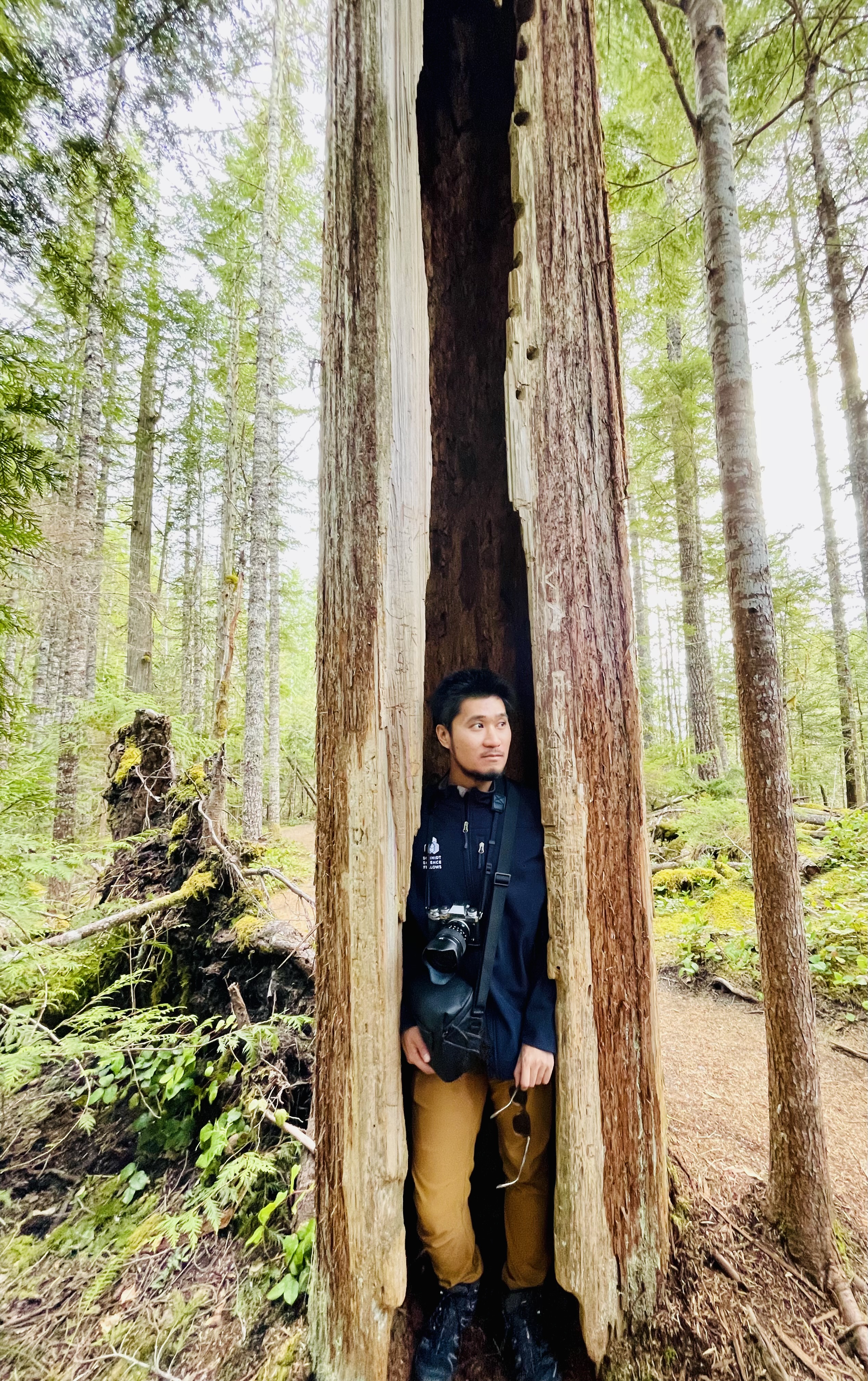
I am a Simons Empire Assistant Professor in the Department of Physics and Astronomy at the University of Rochester, where I lead the AI & Dynamics Group, working at the interface of complex networks, nonlinear dynamics, and machine learning. Before joining Rochester, I was an Omidyar Fellow at the Santa Fe Institute and a Schmidt Science Fellow at Cornell working with Steven Strogatz. I received my Ph.D. in Physics from Northwestern, advised by Adilson Motter. You can reach me at yuanzhao.zhang@rochester.edu.
AI & Dynamics Group · Google Scholar · ORCID · CV · GitHub · X
Broadly, I am interested in systems that exhibit rich emergent behaviors while remaining amenable to theoretical analysis. Half jokingly, I like to say that I am into the simplest complex systems and not-too-nonlinear dynamics. Here are some of the questions currently keeping me awake at night:
When and how can machine learning models extrapolate without physics? Incorporating physics into neural networks—symmetries, conservation laws, and other inductive biases—is known to improve out-of-distribution generalization. Yet many real-world complex systems lack fully understood or easily encoded physics. Can machine learning models still extrapolate in such cases? If so, what hidden inductive biases or implicit regularization are responsible? By studying systems ranging from reservoir computers to time-series foundation models, I hope to uncover the principles that enable physics-uninformed extrapolation in machine learning.
How does global order emerge from local interactions? From fireflies spontaneously synchronizing their flashes to neurons generating avalanches of firing activities, collective order often emerges without central control. I study the physics of emergence by representing complex systems as networks or hypergraphs, asking how coupling structure shapes collective behavior. Insights from these studies can inform everything from designing neural networks that better navigate complex loss surfaces to restoring disrupted circadian rhythms faster after long-haul flights.
If these questions keep you up at night too, my group is recruiting PhD students, postdocs, and undergraduate researchers—see how to join the AI & Dynamics Group.
selected papers
how machine learning models extrapolate without physics
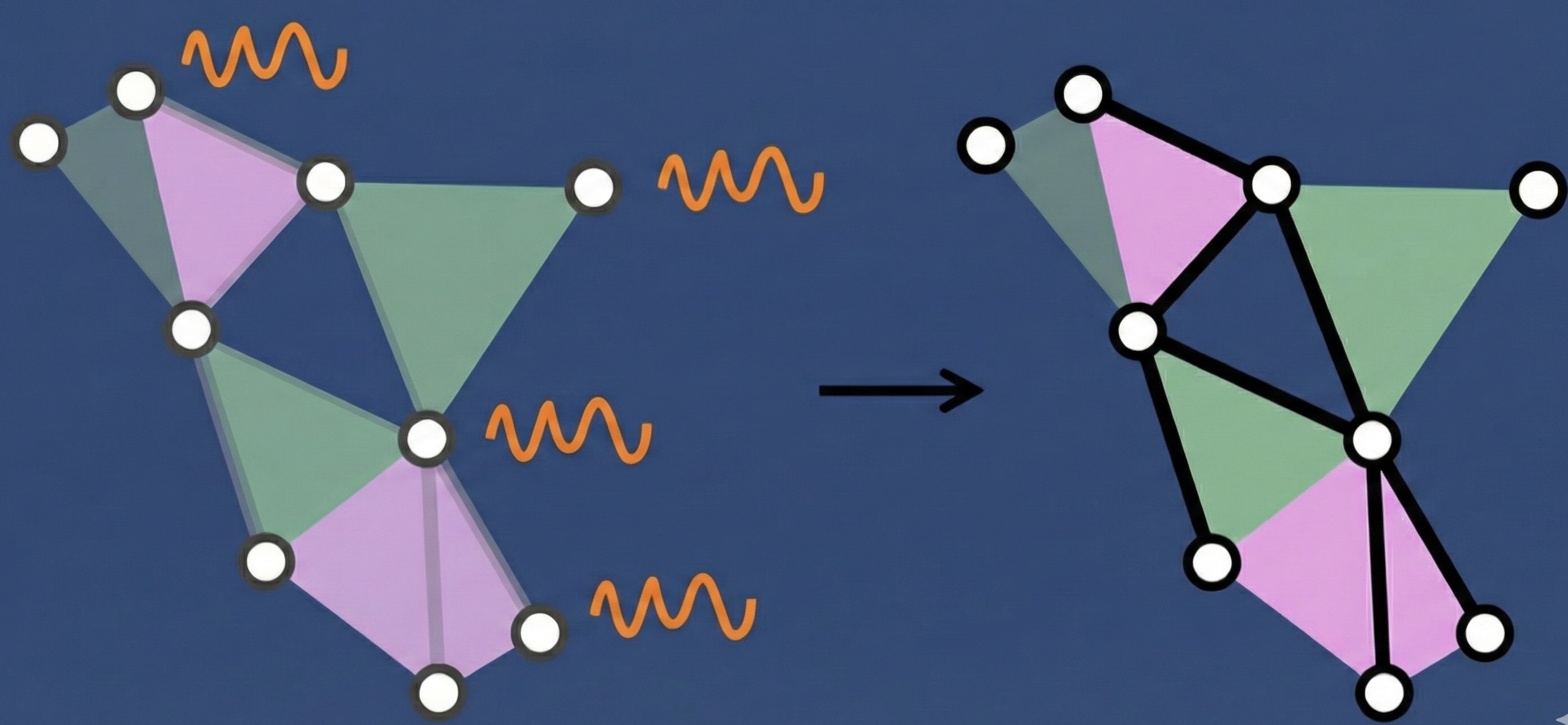
collective dynamics on hypergraphs and simplicial complexes
synchronization, chimeras, and more

fractals and tentacles
because why not